
The Aerospace occupies a special place within Breitling because it approaches aviation timekeeping differently from a traditional mechanical chronograph. Its analogue-digital display divides information between hands and electronic windows, making clarity the central design requirement. The B70 Orbiter edition ties that functional identity to the history of the Breitling Orbiter 3 balloon flight.
Aerospace articles need to separate design from operation. A screen visible beneath analogue hands can resemble an original, yet the functions, battery system and case alloy may be entirely different.
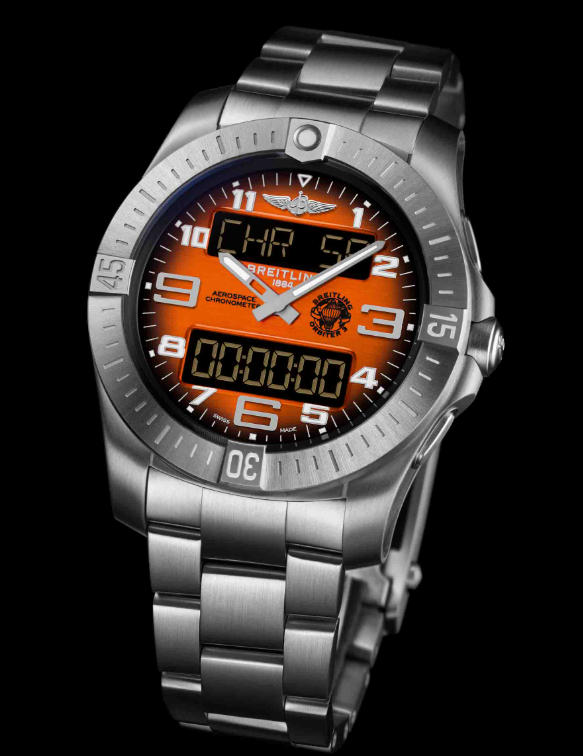
On a Breitling Aerospace B70 Orbiter replica, the digital display deserves at least as much attention as the case finish. Window shape, character visibility and the placement of printed hour markers determine whether the dial reads as an organised instrument. The bright dial colour associated with this edition increases contrast, but also makes differences in printing and display alignment easier to notice.
A watch is not just the sum of named components. The minute track needs to sit convincingly with the hands, the markers should have an intentional relationship to the bezel, and the case should not appear broader merely because the dial opening is too small. This is an observable design question rather than a claim about internal specifications.

Titanium and other lightweight materials often feature in discussion of the authentic Aerospace. Such claims should not be transferred automatically to a replica. Material composition, electronic functions and movement accuracy need evidence for the particular watch being examined. A case that looks like titanium in a photograph is not verification of its alloy.
The broader Breitling Aerospace archive makes a useful companion to this article, especially when comparing variations that share a name but approach dial layout or case size differently.
Across the CheapBreitlingSale editorial homepage, the emphasis is on identifiable watch design rather than promises about untested specifications. This reference is useful precisely because it presents its own balance of dial, bezel and case.
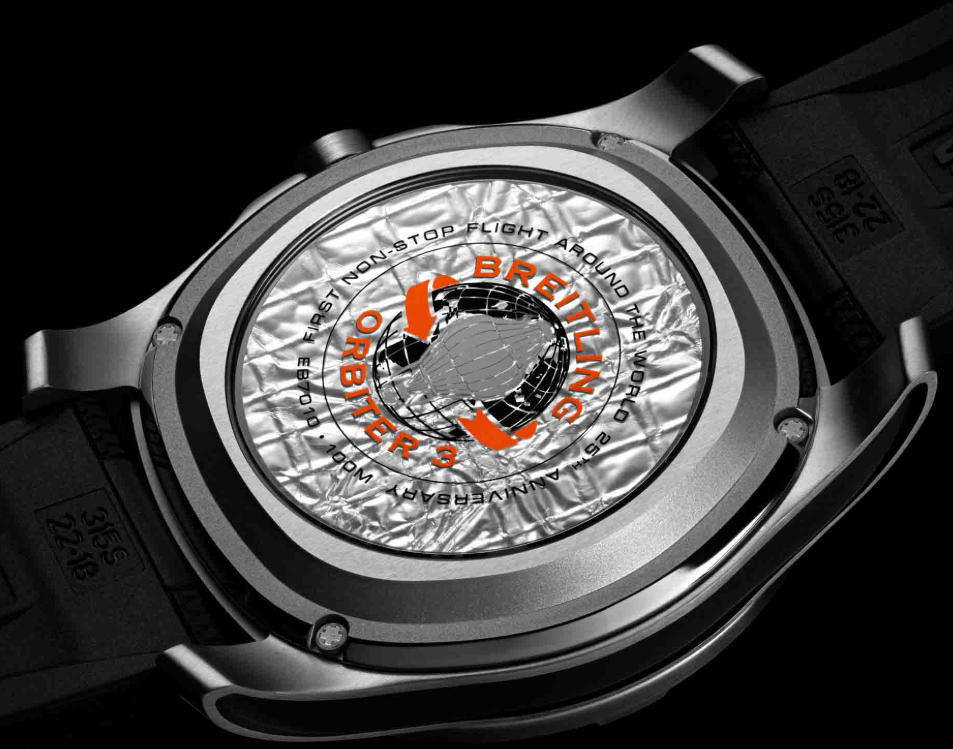
The Orbiter connection adds a commemorative layer, yet the most enduring feature of the Aerospace is the effort to present several functions without creating visual clutter. The relationships among the bezel, crowns, display windows and slender hands explain why the design looks distinct from both a Navitimer and a Premier chronograph.
The smallest details often carry the greatest weight in a relatively simple design. Changes in font weight, a slightly short hand or too much space around a date aperture can disrupt proportions without making any one component obviously wrong. More photographs improve comparison; confident language alone does not.
This article focuses on the instrument layout and its visual challenges. Readers interested in the wider series can browse the Breitling Aerospace archive and the related Breitling Professional collection. The central distinction is between a design that suggests technical capability and functions that have actually been demonstrated.
